Weiss Score (Adrenal) Calculator: A Clinical Decision Support Tool for Adrenocortical Carcinoma Diagnosis
Accurate Weiss Score calculation in seconds. Distinguish benign adrenocortical adenoma from malignancy with our evidence-based tool. Get your histologic diagnosis instantly—try now.
-image.webp)
Quick Navigation
- Weiss Score (Adrenal) Calculator: A Clinical Decision Support Tool for Adrenocortical Carcinoma Diagnosis
Adrenal masses present a diagnostic challenge across oncology and endocrinology. When pathologists examine adrenocortical tumors under the microscope, they face a critical question: is this lesion benign or malignant?
The distinction carries profound implications for prognosis, treatment intensity, surgical approach, and long-term surveillance. In an era where incidental adrenal "incidentalomas" are increasingly detected on cross-sectional imaging, the ability to accurately classify these lesions has never been more important.
The Weiss Score remains the gold standard histological scoring system for differentiating benign adrenocortical adenoma from adrenocortical carcinoma (ACC). At OncoToolkit, we've built a streamlined Weiss Score (Adrenal) calculator that transforms this nine-parameter assessment into a rapid, point-of-care tool.
Accessible at /calculator/weiss-acc, our platform enables pathologists, surgical oncologists, endocrinologists, and trainees to apply validated histologic criteria consistently—reducing diagnostic uncertainty and supporting evidence-based patient management.
- What Is the Weiss Score (Adrenal)?
The Weiss Score is a composite histopathological scoring system introduced by Dr. Lawrence M. Weiss in 1984, based on a landmark comparative study of 93 adrenocortical tumors (43 metastasizing and 50 non-metastasizing cases). The system evaluates nine microscopic features across three domains: nuclear characteristics, architectural patterns, and evidence of invasion. Each positive criterion contributes one point, yielding a cumulative score from 0 to 9.
The diagnostic threshold is straightforward: a Weiss Score of ≥3 indicates adrenocortical carcinoma (malignant), while a score of 0–2 suggests adrenocortical adenoma (benign).
This binary cutoff has been validated across multiple international cohorts and remains embedded in European Society of Endocrinology (ESE) and European Network for the Study of Adrenal Tumors (ENSAT) clinical practice guidelines.
The nine Weiss criteria comprise:
- High nuclear grade (Fuhrman grade III or IV)
- Mitotic rate >5 per 50 high-power fields (HPF)
- Atypical mitotic figures
- Clear or vacuolated cells ≤25% of tumor
- Diffuse architecture (>33% of tumor)
- Tumor necrosis
- Venous invasion (smooth muscle-walled vessels)
- Sinusoidal invasion
- Capsular invasion
Certain criteria—particularly high mitotic rate, atypical mitoses, and venous invasion—are considered "major criteria" due to their stronger association with metastatic behavior. When these features are present, they typically co-occur with other positive Weiss parameters, driving the score into the malignant range.
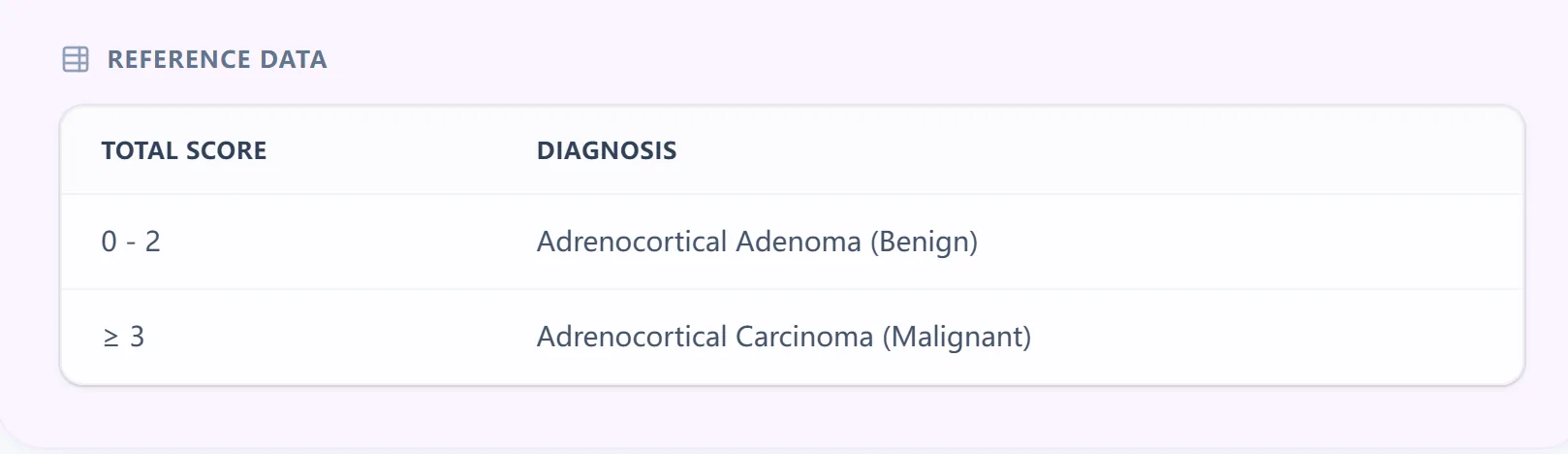
Figure 1. The Weiss System evaluates nine microscopic histologic criteria. Scores ≥3 indicate malignancy, forming the basis for treatment planning.
- Why the Weiss Score Matters in Clinical Practice
The Weiss Score directly informs treatment selection, surgical planning, adjuvant therapy decisions, and surveillance intensity. Accurate classification is essential because ACC is an aggressive malignancy with a 5-year survival ranging from 15–65%, while adrenocortical adenomas are benign lesions that require only clinical observation.
3.1 Impact on Treatment Pathways
Surgical approach: Confirmed or suspected ACC (Weiss ≥3) mandates complete en bloc resection by an experienced oncologic surgeon, often including regional lymphadenectomy. Benign adenomas can be managed with minimally invasive techniques.
Adjuvant mitotane therapy: European guidelines recommend adjuvant mitotane for patients with high-risk ACC (ENSAT stage III, R1 resection, or Ki67 >10%). The Weiss Score, combined with proliferative markers, guides this decision.
Surveillance protocols: Patients with ACC require intensive imaging follow-up to detect early recurrence, whereas those with adenomas need only routine endocrine monitoring.
3.2 Reducing Cognitive Load in Busy Clinical Settings
Without digital support, applying the Weiss Score involves manually cross-referencing nine histologic features, consulting reference tables, and ensuring inter-observer consistency—a process prone to variability. Studies have documented challenges in reproducibility, particularly for parameters like nuclear grade, diffuse architecture, and sinusoidal invasion.
On our platform, the Weiss Score calculator eliminates this friction. Users input binary (Yes/No) responses for each of the nine criteria through an intuitive interface. The algorithm instantly computes the total score, displays the diagnosis (benign vs. malignant), and visualizes risk on a color-coded scale.
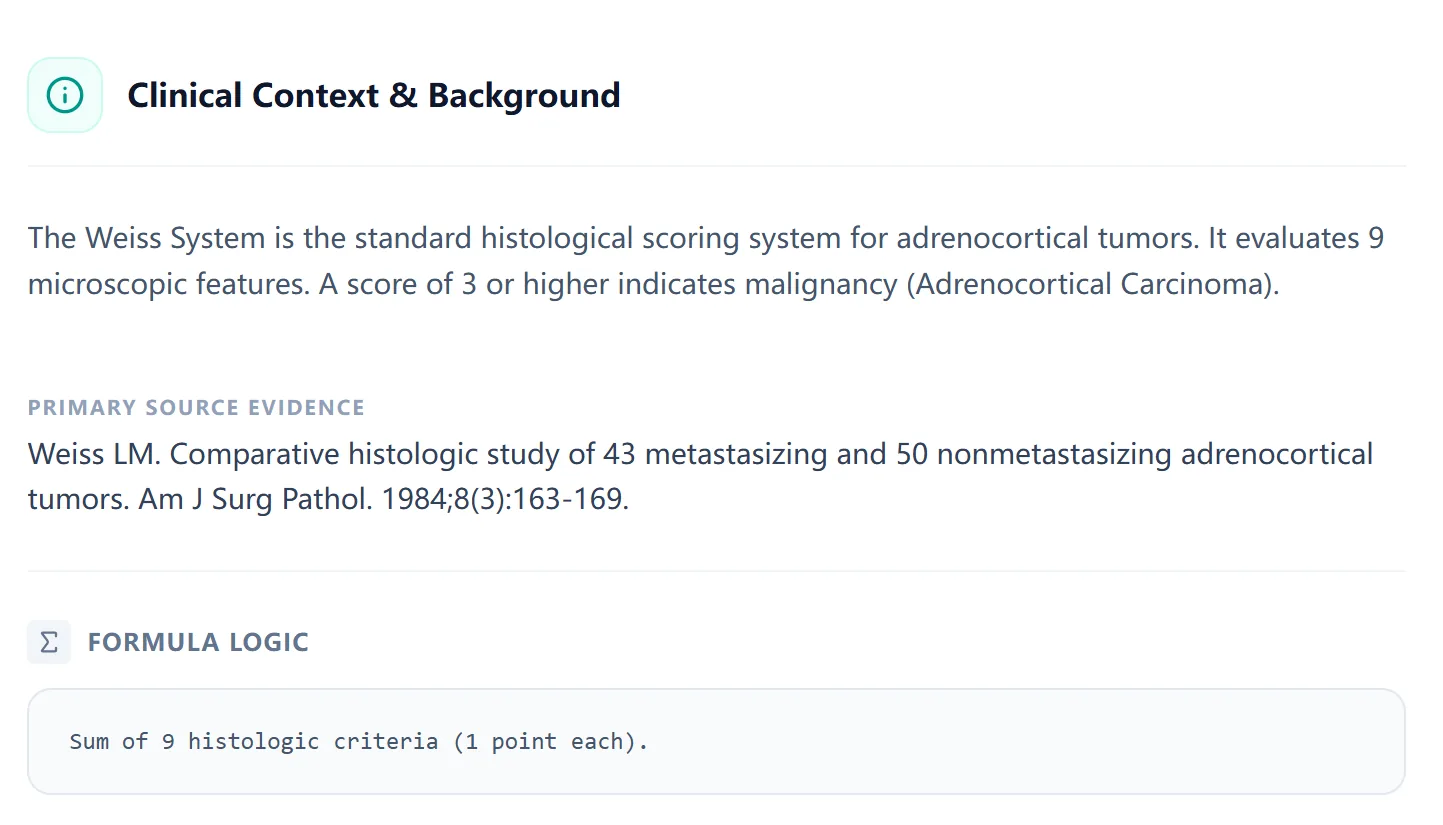
Figure 2. The diagnostic cutoff for the Weiss Score is clear: scores of 0–2 indicate benign adrenocortical adenoma, while scores ≥3 are consistent with adrenocortical carcinoma.
- Clinical Evidence and Validation of the Weiss Score
4.1 The Math Behind the Tool
The Weiss Score employs a simple additive point-based system. Each of the nine histologic criteria is scored as present (1 point) or absent (0 points). The total score is the sum of positive criteria:
Weiss Formula
Expanded Calculation Logic:
Weiss Score = Criterion 1 + Criterion 2 + Criterion 3 +
Criterion 4 + Criterion 5 + Criterion 6 +
Criterion 7 + Criterion 8 + Criterion 9
This transparent, non-weighted approach ensures that the score is reproducible. However, clinicians should note that not all criteria carry equal diagnostic weight. Weiss's original study identified mitotic rate >5/50 HPF, atypical mitoses, and venous invasion as the most predictive features for metastatic behavior.
4.2 Validation Data and Performance
The Weiss Score has been extensively validated across global cohorts:
- Original Weiss study (1984): Among 93 adrenocortical tumors followed for a median of 11 years, the Weiss Score demonstrated that all but one benign tumor scored ≤2, while the majority of malignant tumors scored ≥3 [7].
- Sensitivity and specificity: Studies report diagnostic accuracy in the range of 85–95%, with borderline cases (Weiss Score = 2–3) occasionally posing challenges.
- European Network for the Study of Adrenal Tumors (ENSAT) guidelines: The Weiss Score is recommended as the reference system for pathologic diagnosis of ACC [12].
Recent large-scale studies have demonstrated that Ki67 index is the single most powerful independent prognostic factor for recurrence-free survival in localized ACC following R0 resection [22].
4.3 Limitations and Caveats
Despite its widespread adoption, the Weiss Score has recognized limitations:
- Inter-observer variability: Reproducibility can be suboptimal among non-specialist pathologists [6].
- Oncocytic tumors: The Weiss Score is not validated for oncocytic adrenocortical neoplasms, which require the Lin-Weiss-Bisceglia (LWB) system instead [14].
- Borderline scores: Tumors with a Weiss Score of 2 or low-score ACC (Weiss = 3) occasionally exhibit aggressive behavior.
- How the Weiss Score (Adrenal) Calculator Works
At OncoToolkit, we've designed the Weiss Score calculator to mirror the pathologist's workflow while minimizing manual computation and reference lookup.
5.1 Step-by-Step User Experience
- Select the calculator: Navigate to the tool via /calculator/weiss-acc.
- Input histologic features: For each of the nine criteria, select "Yes" or "No".
- Calculate Score: The algorithm sums the positive criteria instantly.
- Interpret Results: The platform provides a clear diagnostic interpretation (Benign vs. Malignant).
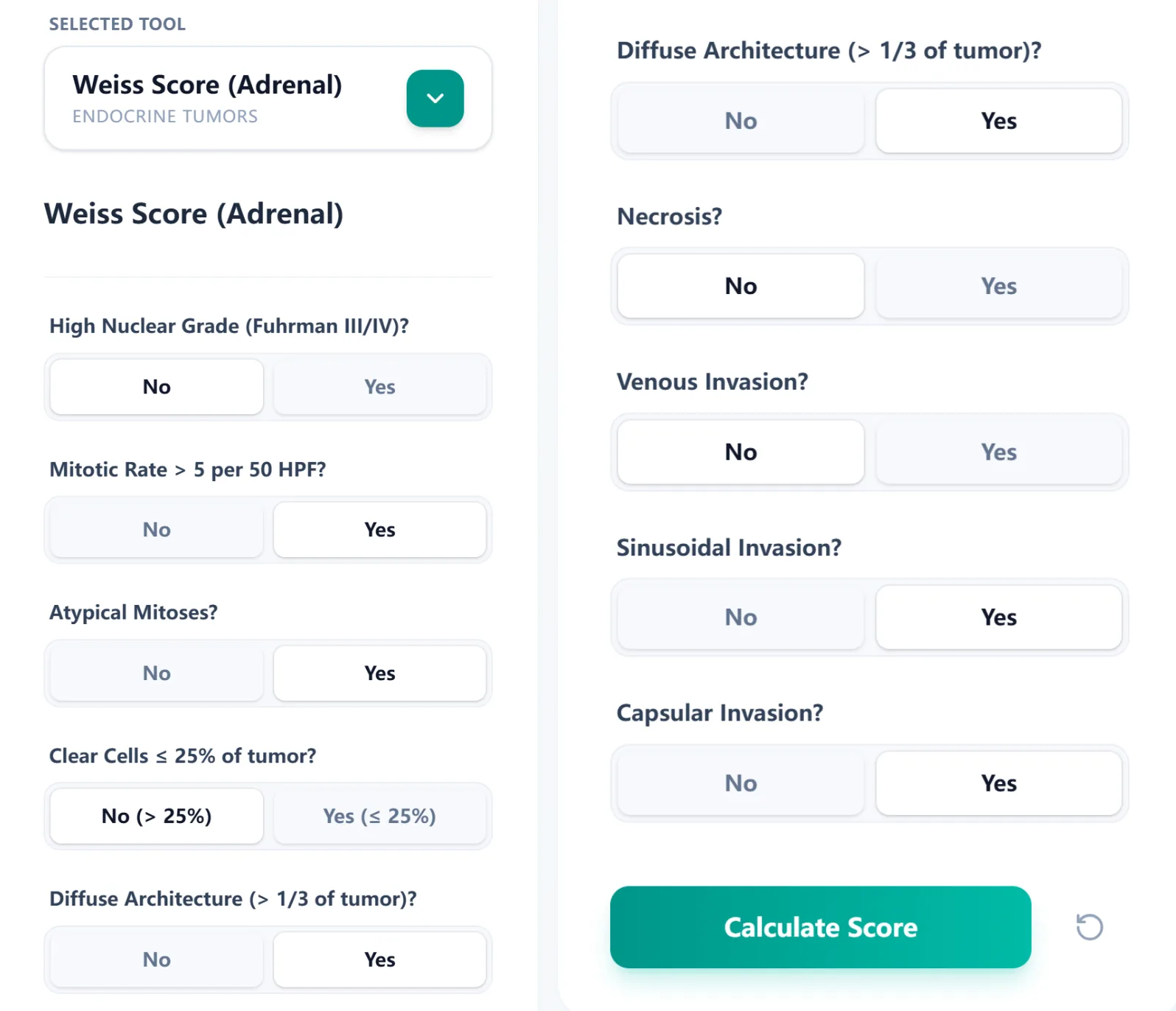
Figure 3. The OncoToolkit Weiss Score calculator presents each of the nine histologic criteria as binary (Yes/No) inputs.
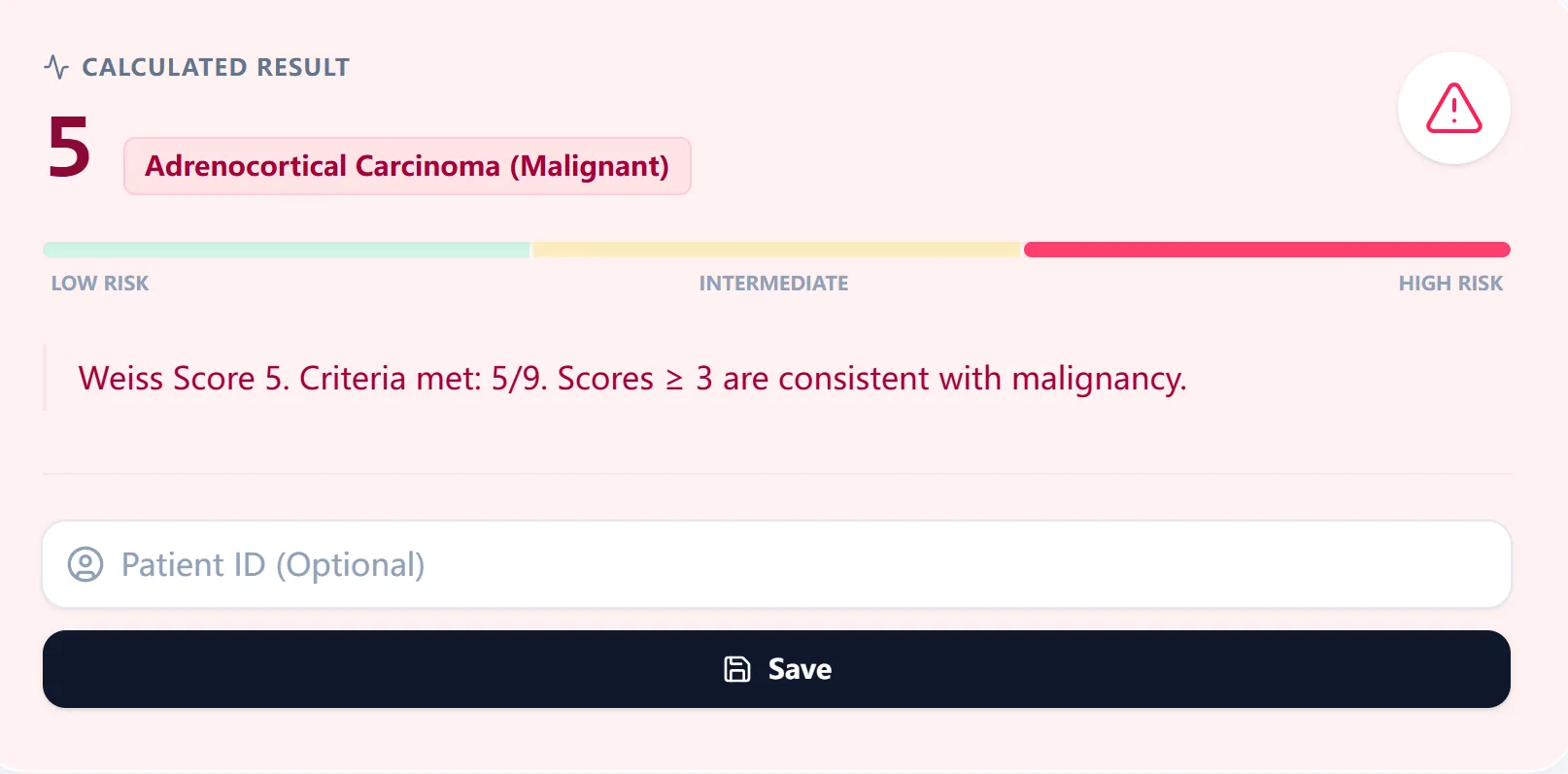
Figure 4. In this example, a Weiss Score of 5 is returned with the diagnosis "Adrenocortical Carcinoma (Malignant)."
- How the Platform Supports Both Clinical Care and Research
6.1 Routine Clinical Decision Support: For practicing oncologists, the calculator serves as a cognitive aid ensuring consistent application of guideline-endorsed diagnostic criteria.
6.2 Education and Simulation: Medical fellows and pathology residents can practice systematic histologic assessment and understand how individual criteria contribute to the final diagnosis.
6.3 Research and Quality Improvement: Consistent classification using identical methodology [31] and build longitudinal databases for ACC registries.
- Clinical FAQ: Weiss Score for Adrenocortical Carcinoma
Can the Weiss Score Be Used in Patients with Functional Adrenal Tumors?
Yes. The Weiss Score is applicable to both functional (hormone-secreting) and non-functional adrenocortical tumors. Functional ACC often presents with higher mitotic rates [21].
How Does the Weiss Score Differ from the Helsinki Score?
The Helsinki Score assigns variable weights to three parameters: mitotic count, necrosis, and nuclear atypia [32]. While it correlates well, the Weiss system remains the international guideline standard.
Is the Weiss Score Validated for Asian Populations?
Yes. The Weiss Score has been validated in both Western and Asian cohorts, with the Weiss ≥3 threshold reliably distinguishing ACC across ethnic groups [27]. Specifically, large studies in China and Japan have confirmed its diagnostic accuracy in Eastern patient populations.
- Start Using the Weiss Score (Adrenal) Calculator Today
The Weiss Score is a cornerstone of adrenocortical tumor pathology. At OncoToolkit, we've transformed this validated system into a rapid, mobile-optimized decision support tool.
Whether you're preparing for a tumor board or teaching fellows, the Weiss Score (Adrenal) calculator at /calculator/weiss-acc streamlines your workflow and enhances diagnostic confidence.
Ready to Simplify Your Adrenal Mass Diagnosis?
Distinguish benign from malignant adrenocortical tumors with our evidence-based Weiss Score calculator.
Try the Weiss Calculator
Free to use. No registration required.
References
- Standardizing Pathological Diagnosis. Source
- Weiss LM. Comparative histologic study of 43 metastasizing and 50 nonmetastasizing adrenocortical tumors. Source
- Fassnacht M, et al. Management of adrenocortical carcinoma: ESE-ENSAT clinical practice guidelines. Source
- Diagnostic Imaging of Adrenal Masses. Source
- ICCR Adrenal Multiscoring Guidelines. Source
- Hormonal secretion in ACC. Source
- Libé R, et al. Major prognostic role of Ki67 in localized adrenocortical carcinoma. Source
- Validation in Asian cohorts. Source
- ENSAT Registry Protocol. Source
- Helsinki Score vs Weiss. Source